“first wash” search results (8000)

Highland washed coffee Honduran coffee beans
High-quality coffee in Honduras uses water washing to deal with coffee beans, usually after soaking, when the defective fruit will surface, it can be discarded first. Then put the good fruit into the fruit peeling machine and peel off the peel with the rotating force of the machine. Peeled fruits are screened by machines to select fruits of high quality. Usually the bigger the fruit.
2016-06-16 Highland washing coffee Honduras coffee beans high quality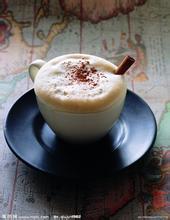
High quality washed coffee beans Honduran coffee
High-quality coffee in Honduras uses water washing to deal with coffee beans, usually after soaking, when the defective fruit will surface, it can be discarded first. Then put the good fruit into the fruit peeling machine and peel off the peel with the rotating force of the machine. Peeled fruits are screened by machines to select fruits of high quality. Usually the bigger the fruit.
2016-06-18 High quality quality washing coffee beans Honduras coffee high quality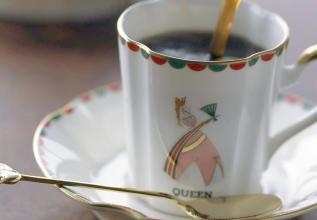
Introduction to the flavor and taste of Rwanda boutique coffee beans with individual aroma
China Coffee Network Rwanda coffee is mostly washed. The water washing method will first wash and flotation the ripe coffee fruit, then remove the exocarp, pulp and part of the pectin layer, then send the coffee into the fermentation tank, remove the remaining pectin layer and then send it to the drying ground for drying treatment, so that the water content reaches about 13%. The coffee in the picture above is all in Africa.
2016-09-13 Have personality aroma Rwanda boutique coffee beans characteristics producing area flavor mouth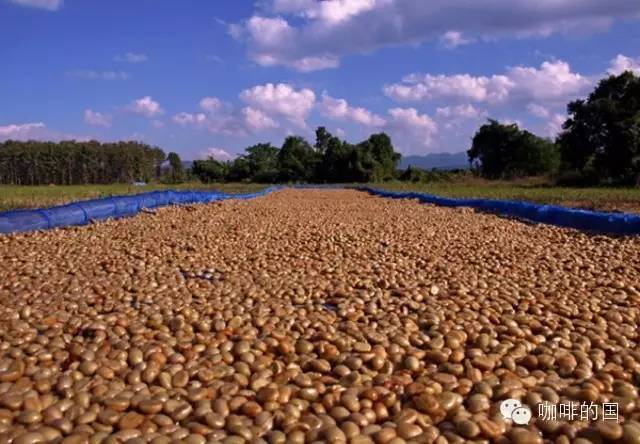
High-quality coffee bean treatment method coffee raw bean Ethiopia Yega Xuefei coffee raw bean (in the sun
Tanning is a traditional method for the initial processing of coffee beans, and at present, almost all coffee-growing countries such as Ethiopia and Yemen still use solarization to treat raw beans. Sun treatment will first identify sunken beans in the sink, that is, ripe or half-ripe beans are spread in the drying farm for natural drying. The specific time depends on the local climatic conditions, which usually takes two to four weeks.
2016-04-25 Boutique coffee beans processing methods coffee raw beans Ethiopia Yega Sheffield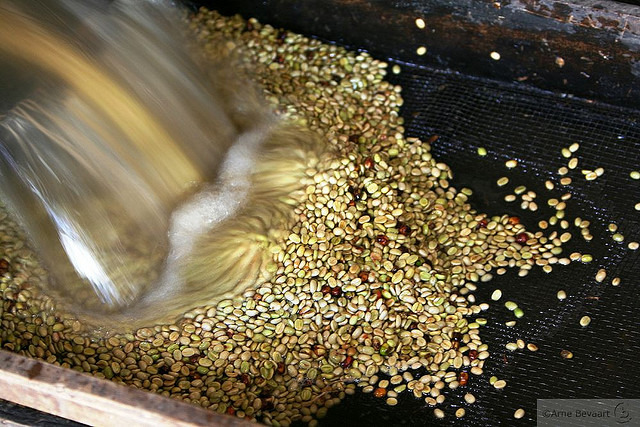
How to buy coffee beans Costa Rica Coffee Introduction Tara Pearl Diamond Hill Manor washed SHB Kadu
Costa Rica, Spanish La Republic de Costa Rica, English the Republic of Costa Rica, full name Costa Rica The capital city of San Jose. Official language Spanish. It is divided into 7 provinces, 81 counties and 421 districts. Columbus made his first voyage in 1502.
2016-03-31 coffee beans how to buy Costa Rica coffee profile Tara pearl diamond stone mountain
Introduction to the treatment of raw beans-- what is mechanical semi-washing?
Mechanical semi-washing-economical half-sun method can not be used in all producing areas. If the producing area with heavy moisture is allowed to take out the pectin pods and expose them outdoors, it is not only not easy to be dehydrated and hard, but also prone to parasitic molds. therefore, the mechanical semi-washing method has been developed in areas with heavy humidity, which saves both effort and water. First put the red fruit and the half-green and half-red fruit that have sunk into the sink
2016-03-30 Raw beans treatment methods introduction mechanical semi-water washing what water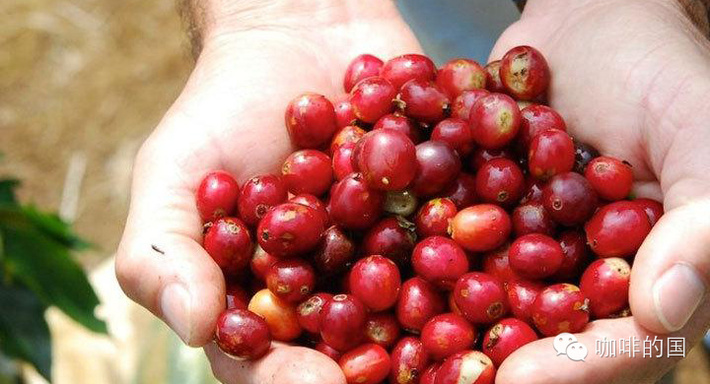
How to choose coffee beans choose fresh coffee beans Columbia Santa Rita washing coffee beans
The history of coffee cultivation in Colombia can be traced back to the Spanish colonial era in the 16th century, and there are many theories about the history of coffee in Colombia: one: it is said to come from the island of Haiti in the Caribbean and from El Salvador in Central America. Second: in 1808, a priest introduced coffee beans to Colombia for the first time from the French Antilles via Venezuela. One of them
2016-03-30 How to choose coffee beans fresh Columbia Santa Rita washing treatment
Ballpoint handwriting, coffee stains, these stains should be cleaned up like this.
Recently, in the forum, many netizens are talking about how to remove all kinds of difficult-to-wash stains on clothes, carpets and sofa covers, among which milk stains, coffee stains and ballpoint handwriting are listed as the most difficult to wash. Today, the author has found some clever ways to remove difficult stains. Netizens might as well keep them for a rainy day in the future. The picture comes from how to clean coffee on the Internet.
2015-07-02 Beads handwriting coffee these stains so clean up recent forum see
Coffee bean treatment method introduction what is coffee treatment method
After removing the pulp, the quality of coffee honey treatment was better than that of drying treatment, but not as good as washing treatment. This method of processing coffee beans by honey treatment has recently been sought after by coffee lovers. It has a sweet taste and is rich in Crema. It is suitable for extracting Espresso from the base of Italian coffee. The advantage is that it can restore the flavor of coffee beans, the coffee is more sweet, and the taste of red wine is stronger.
2016-07-25 Coffee beans processing methods introductions what coffee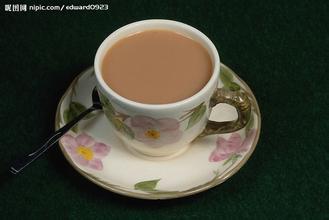
Introduction to the characteristics of Rwanda boutique coffee beans with long-lasting aroma and taste of manor
Most of the coffee in Rwanda is washed. The water washing method will first wash and flotation the ripe coffee fruit, then remove the exocarp, pulp and part of the pectin layer, then send the coffee into the fermentation tank, remove the remaining pectin layer and then send it to the drying ground for drying treatment, so that the water content reaches about 13%. The coffee in the picture above is placed in an African shed to dry.
2016-08-05 Aroma persistent Rwanda boutique coffee beans flavor taste manor producing area special
The production method of washing Yega Xuefei Ethiopian coffee beans to treat coffee beans
Ethiopian coffee beans are divided into five levels. The first and second stages are washed beans. Washed beans Grade1 represents 3 defective beans per 300g raw beans, and Grade2 represents 4 defective beans per 300g. Gradc1 grade water washed beans are very rare and are generally difficult to buy. At present, all the washed beans exported from Ethiopia are Grade2 grade. The quality of sun-dried beans is Grade3 and Grad in order.
2016-05-10 Ethiopia Water washing Yega Sheffield Coffee beans production method treatment
Introduction to the characteristics of Yega Sheffield Wauka Coffee Flavor Manor
Sun-treated Erika G1 has more lively citrus citric acid, aromas of apricot blossoms, exploding nuts of walnuts, and subtle aromas of cinnamon, cloves, rosemary and other spices. taste with a very good honey brown sugar sweet, very soft and attractive, as if the whole body soaked in the sea in early autumn, by the cool sea
2016-08-08 Nuts explosion aroma Yega Shaffy Waka Coffee Flavor Taste Manor
Front Street Cafe Costa Rica Diamond Hill Manor washed SHB Kaddura boutique coffee beans
Coffee beans details: country: Costa Rica Grade: SHB producing area: Tara Pearl producer: Tara Pearl Local Farmers: washed varieties: Kaddura, Kaduai Manor: Diamond Hill Manor Flavor: soft orange notes, toast, caramel cocoa sweet, clean Costa Rican coffee was introduced by Cuba in 1779 and exported for the first time in 1820.
2015-02-13 Front Street Cafe Costa Rica Stone Hill Manor Water washing SHB Dula Fine
Costa Rica Diamond Hill Manor Fine Coffee beans washed SHB Kaddura Fine Coffee Raw beans
Coffee beans details: country: Costa Rica Grade: SHB producing area: Tara Pearl producer: Tara Pearl Local Farmers: washed varieties: Kaddura, Kaduai Manor: Diamond Hill Manor Flavor: soft orange notes, toast, caramel cocoa sweet, clean Costa Rican coffee was introduced by Cuba in 1779 and exported for the first time in 1820.
2016-03-10 Costa Rica Stone Mountain Manor Fine goods Coffee beans Water washing SHB Dula Coffee
Jamaica Blue Mountain Coffee Beans-Blue Mountain Coffee Beans-Jamaica Blue Mountain Coffee Beans-Jamaica Blue Mountain Coffee
Sir Nicolas Lawes, Governor-General of Jamaica, brought the first coffee seedlings to Jamaica from Martinique. By 1790, among the refugees from Haiti were coffee farmers who settled in the Blue Mountains and also brought
2022-09-29 washed coffee beans Jamaica Blue Mountain coffee presentation
Brazilian coffee making technology Brazilian coffee beans
Let's talk about desizing. The desizing method was introduced to Brazil 25 years ago by Pinhalense, a well-known machinery and equipment manufacturer. Desizing is the second most popular way to treat raw coffee beans in Brazil, and Brazilians like to call it Cereja Descascado (Descascado means peeling, Cereja means fruit). In Central American countries, desizing is also known as honey treatment. In
2016-05-30 Brazil coffee production craftsmanship coffee beans let's say desizing was in years ago.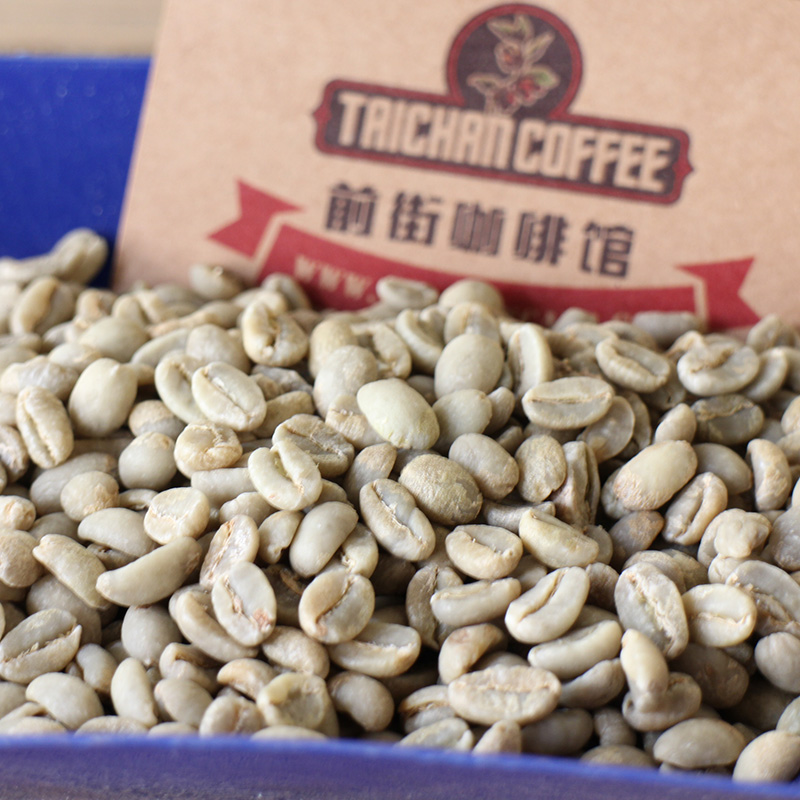
Raw Bean Price Costa Rica Tara Pearl Diamond Hill Manor Wash SHB Kadura Fine Coffee Raw
Coffee cultivation in Costa Rica was introduced from Cuba in 1779 and exported for the first time in 1820. There are about 32,000 coffee farmers in Costa Rica, with an average cultivation area of less than one hectare (10,000 m2) per farmer. Costa Rica has a population of 4.1 million (2006), 82,500 hectares of coffee cultivation, an annual production of 1.7 million bags (60kgs per bag), and an annual domestic consumption of 380,000 bags.
2016-04-13 Raw Beans Price Costa Rica Tara Pearl Diamond Stone Mountain Manor Wash SHB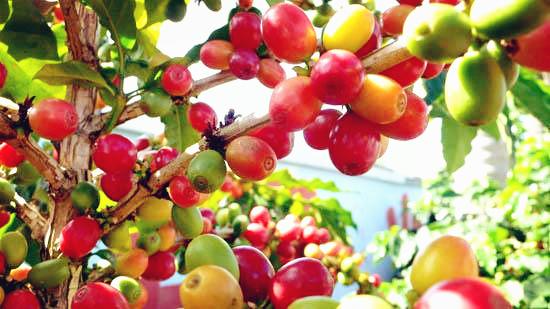
China Coffee Network recommends Costa Rica's Tarazu Diamond Villa Park to wash SHB Kaddura American Cafe.
Costa Rican coffee plants were imported from Cuba in 1779 and exported for the first time in 1820. There are now about 32000 coffee farmers, with an average of less than 10000 yuan per farmer. Costa Rica has a population of 410 million (2006), an active coffee planting area of 82500 square meters, an annual output of 1.7 million bags (60kgs per bag), and an annual consumption of 38 million bags in China.
2016-03-30 China Coffee recommendation Costa Rica Tara Pearl Diamond Stone Mountain Manor Water washing
Costa Rica Diamond Villa Garden washed Coffee cooked beans Diamond Hill Fine Coffee characteristics of Diamond Hill
Coffee beans details: country: Costa Rica Grade: SHB producing area: Tara Pearl producer: Tara Pearl Local Farmers: washed varieties: Kaddura, Kaduai Manor: Diamond Hill Manor Flavor: soft orange notes, toast, caramel cocoa sweet, clean Costa Rican coffee was introduced by Cuba in 1779 and exported for the first time in 1820.
2016-03-21 Costa Rica Stone Mountain Manor Water washing Coffee cooked beans Fine goods characteristics Coffee beans
Washed coffee and ripe beans at Diamond Hill Manor in Costa Rica
Costa Rican coffee cultivation was introduced by Cuba in 1779 and exported for the first time in 1820. There are about 32000 coffee farmers, with an average planting area of less than one hectare (10000 hectares) per farmer. Costa Rica has a population of 41 billion (2006), with a coffee planting area of 82500 hectares and an annual production of 1.7 million bags (60kgs per bag). The annual domestic consumption is 380000 bags.
2016-05-08 Costa Rica Stone Mountain Manor Water washing Coffee cooked beans